



CASE REPORT WITH REVIEW OF LITERATURE
October 17, 2026
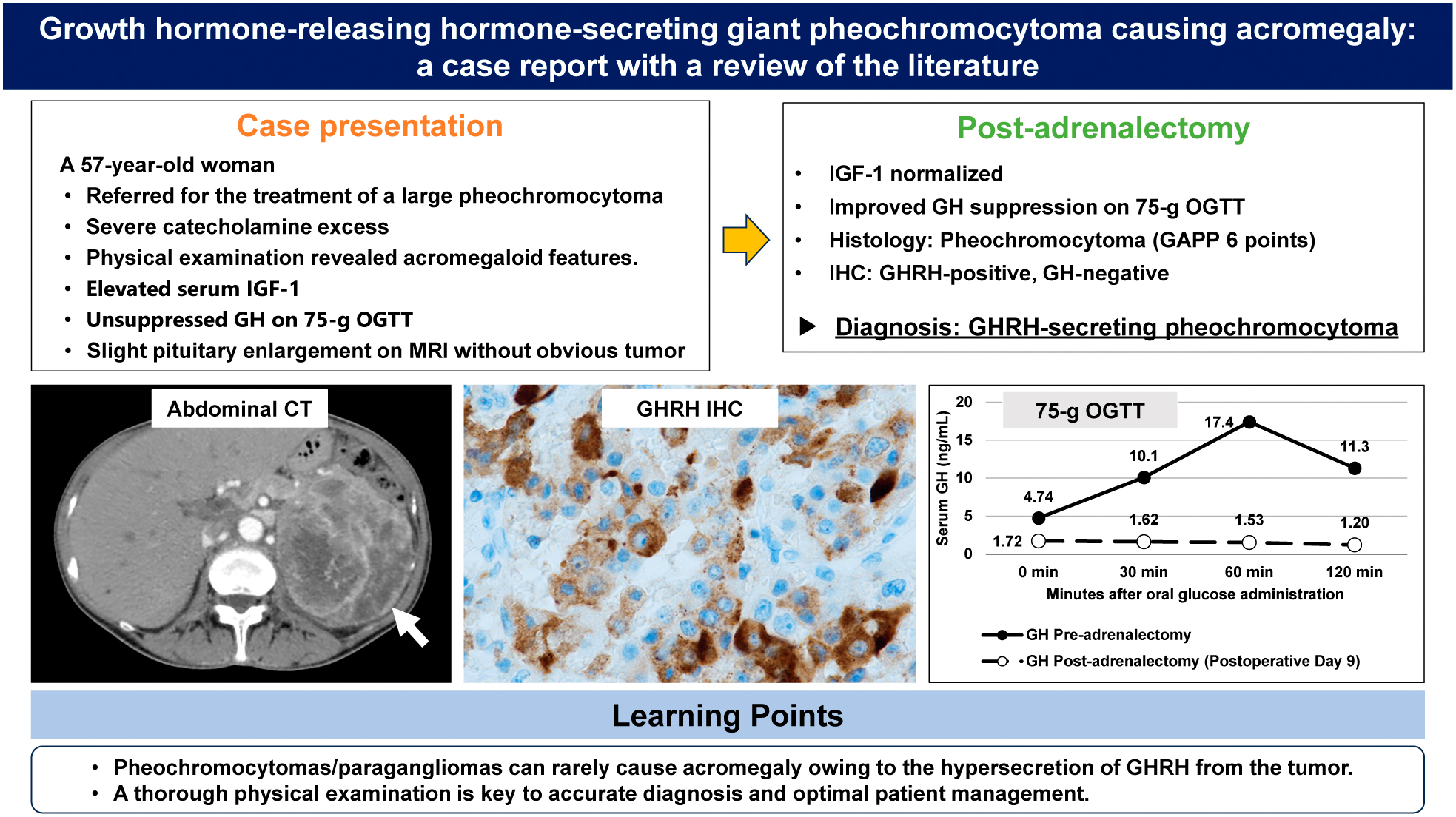
CASE REPORT WITH REVIEW OF LITERATURE
October 15, 2026
CASE REPORT WITH REVIEW OF LITERATURE
October 2, 2026
ORIGINAL
October 1, 2026
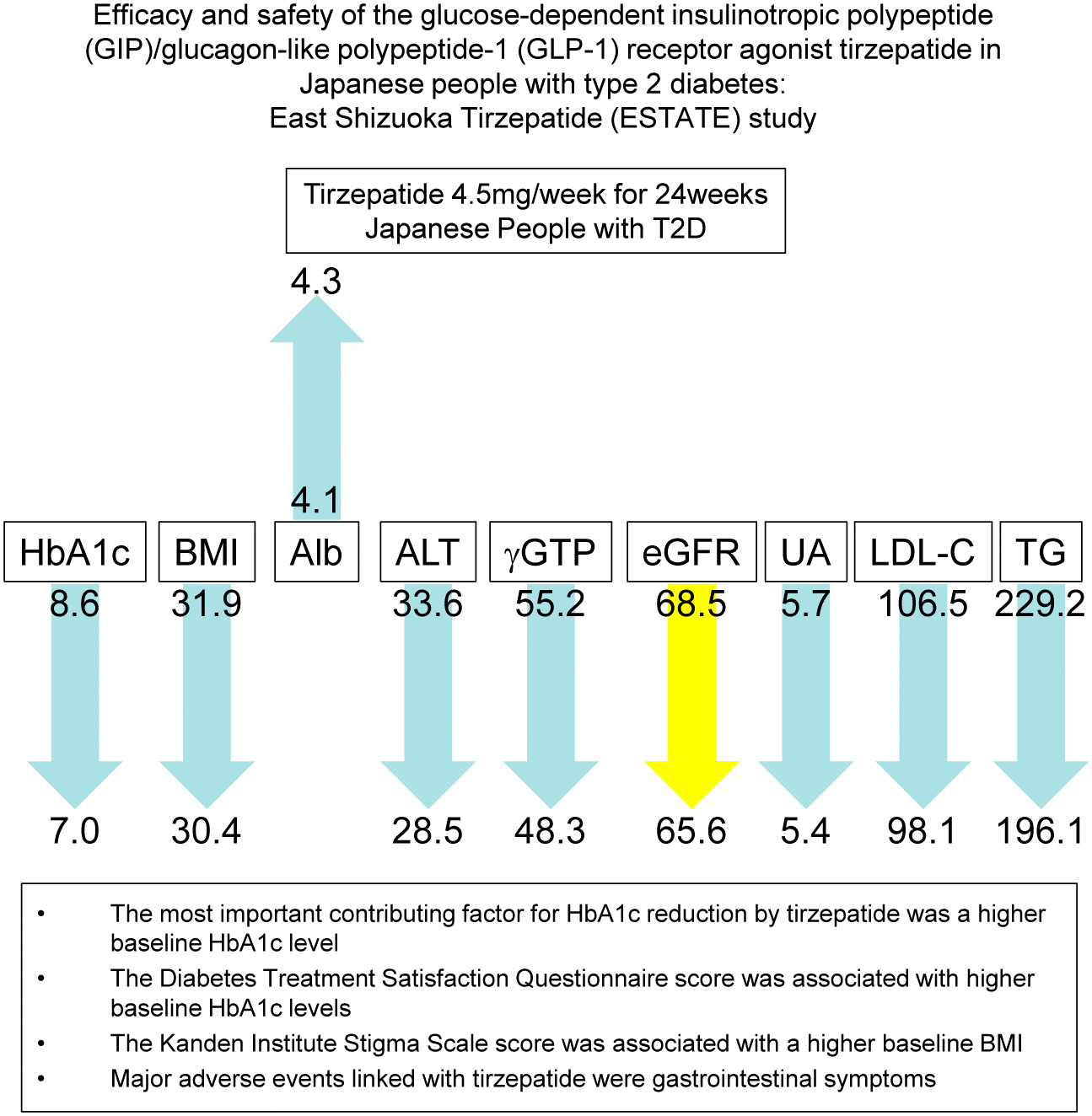
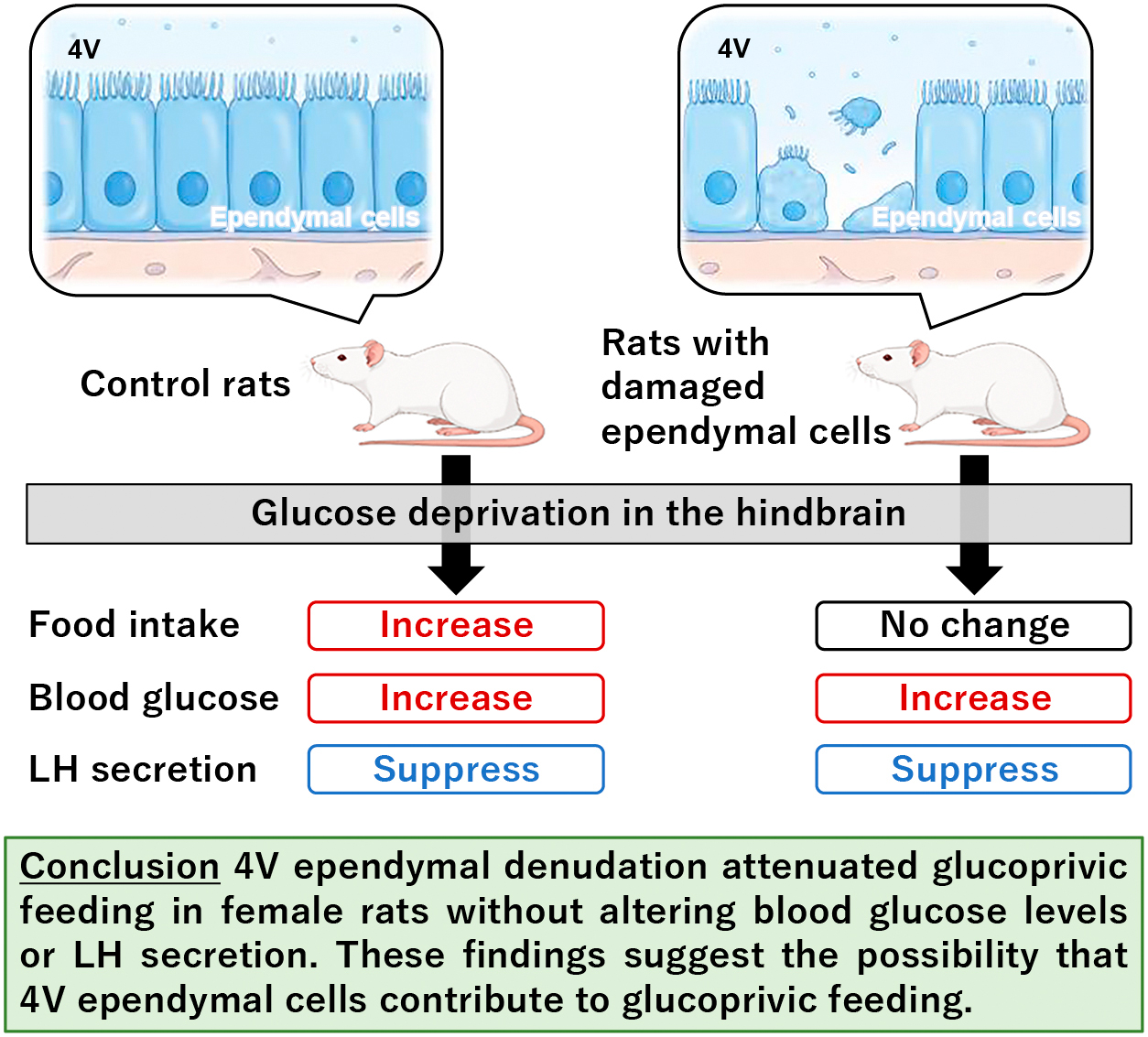
CASE REPORT WITH REVIEW OF LITERATURE
September 26, 2026
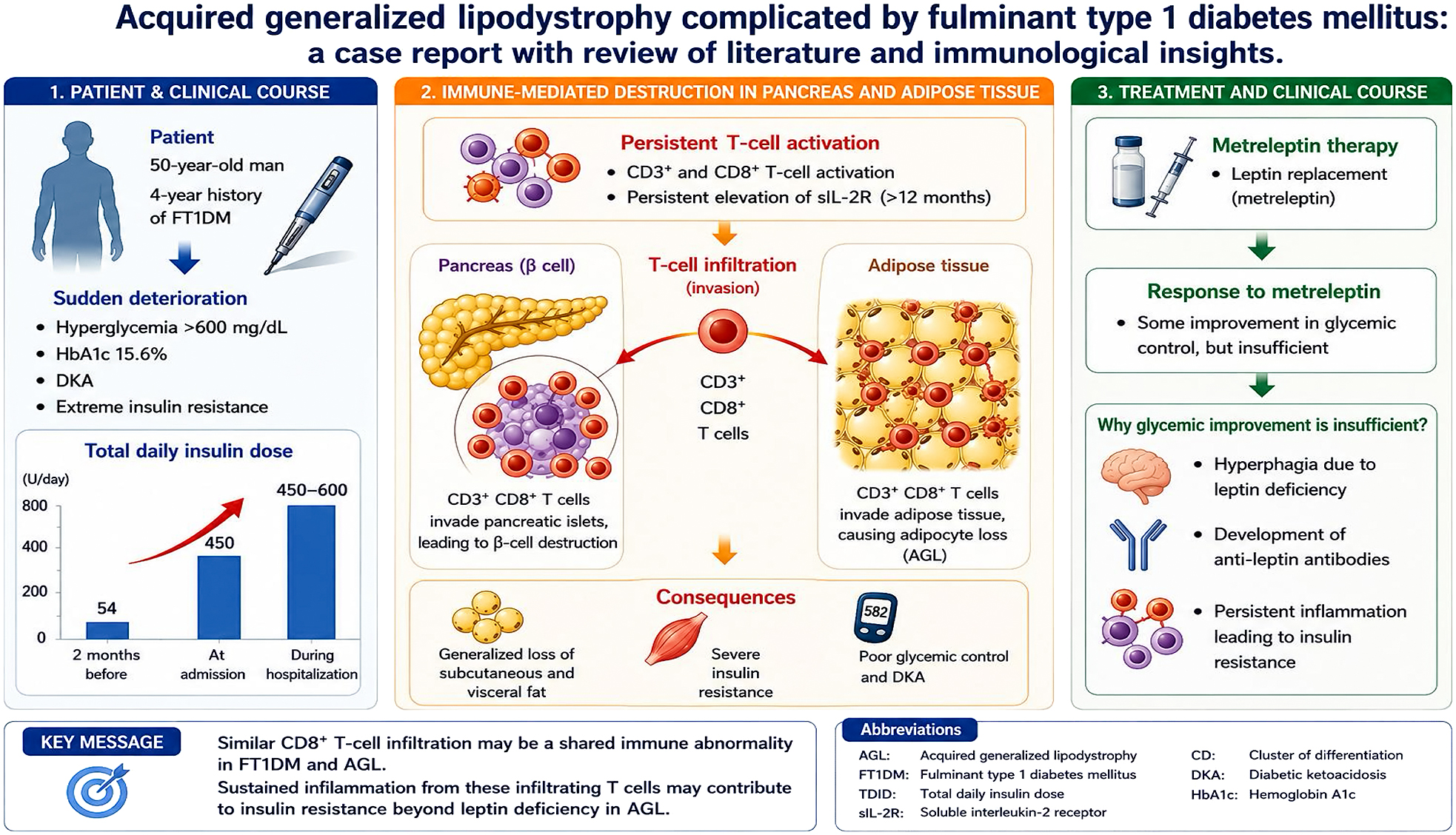
CASE REPORT WITH REVIEW OF LITERATURE
September 26, 2026
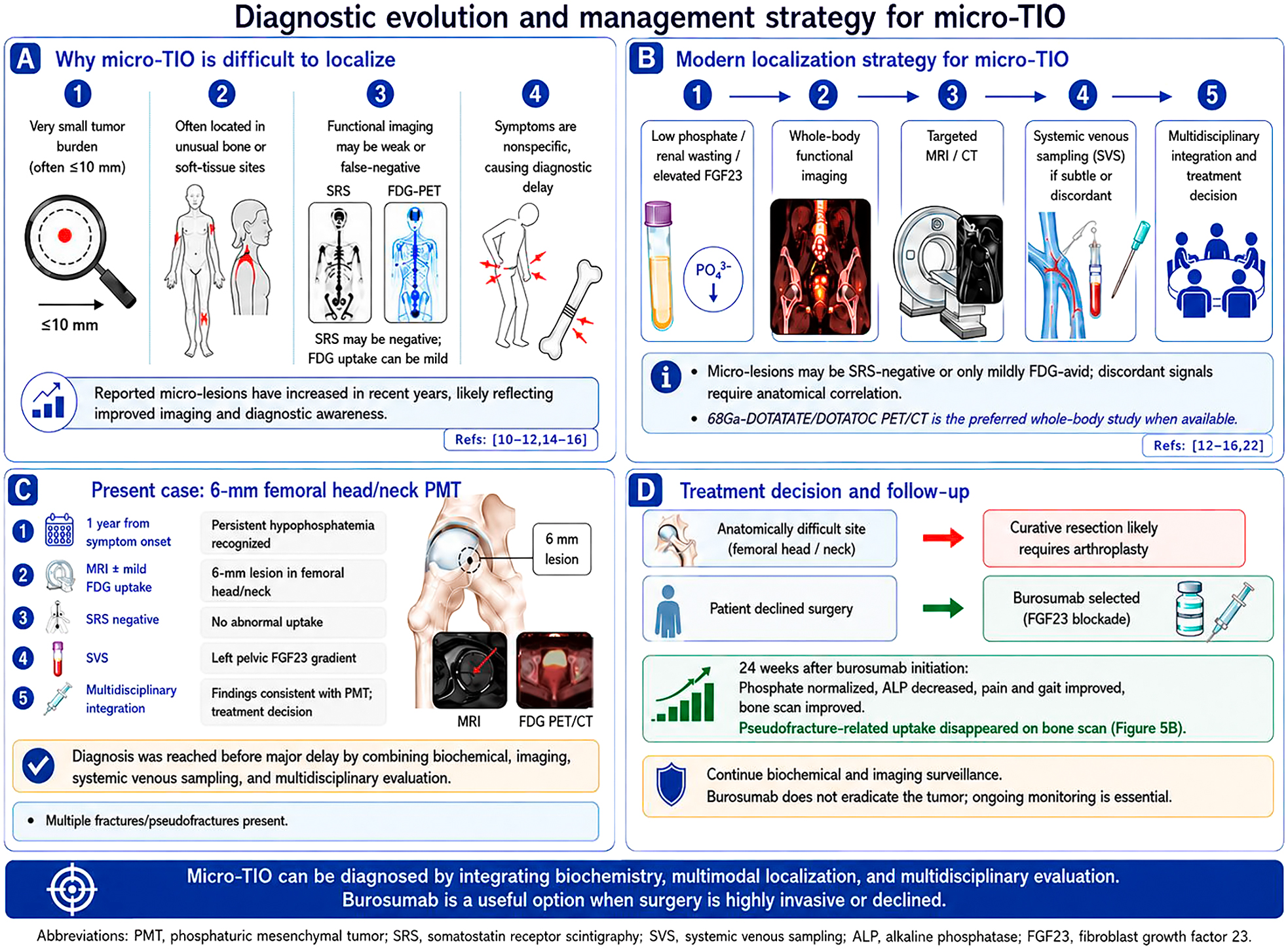
CASE REPORT WITH REVIEW OF LITERATURE
September 18, 2026
CASE REPORT WITH REVIEW OF LITERATURE
September 16, 2026
CASE REPORT WITH REVIEW OF LITERATURE
September 12, 2026
CASE REPORT WITH REVIEW OF LITERATURE
September 11, 2026
STATE-OF-THE-ART REVIEW IN ENDOCRINOLOGY
September 9, 2026
STATE-OF-THE-ART REVIEW IN ENDOCRINOLOGY
September 4, 2026
CASE REPORT WITH REVIEW OF LITERATURE
September 4, 2026
CASE REPORT WITH REVIEW OF LITERATURE
September 1, 2026
CASE REPORT WITH REVIEW OF LITERATURE
August 26, 2026
CLINICAL PRACTICE GUIDELINE
July 7, 2026
CASE REPORT WITH REVIEW OF LITERATURE
July 1, 2026
CASE REPORT WITH REVIEW OF LITERATURE
July 1, 2026



Recommendation from the Editor
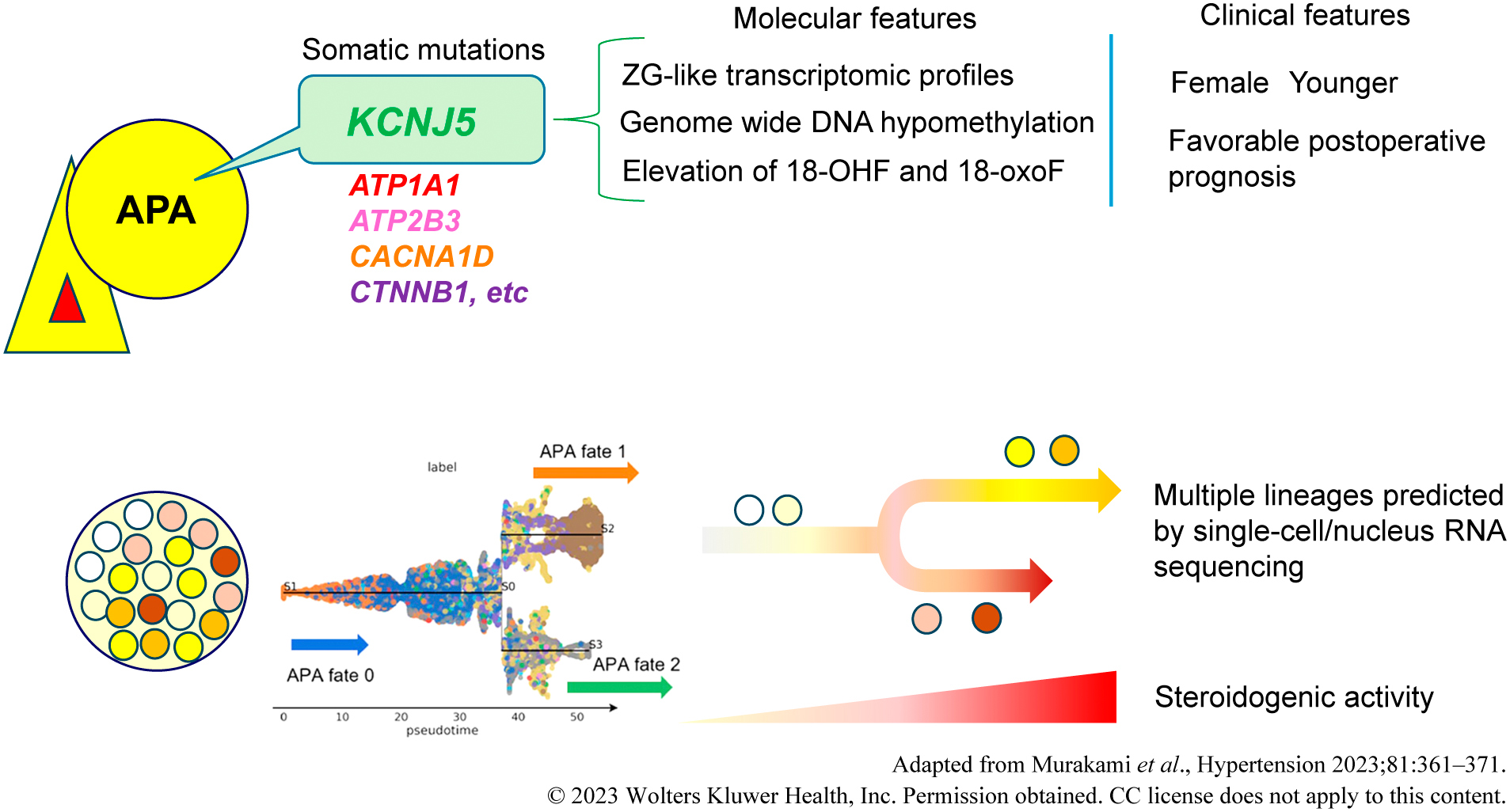
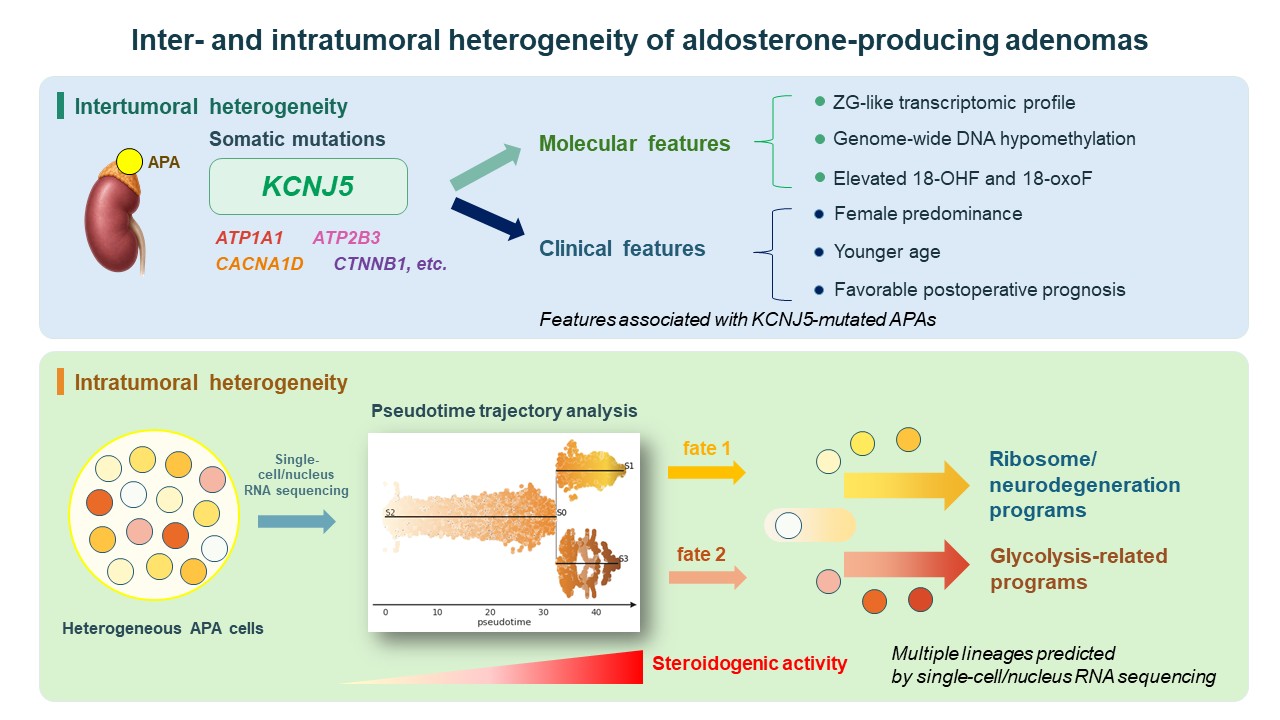
Our understanding of aldosterone-producing adenomas (APAs) has advanced substantially since the discovery of recurrent somatic mutations, particularly in KCNJ5. Recent single-cell and spatial transcriptomic studies have further revealed cellular and functional heterogeneity within individual APAs. In this issue, Dr. Masanori Murakami at Institute of Science Tokyo reviews recent findings on the inter- and intratumoral heterogeneity of APAs and discusses their clinical implications. This review provides readers with an updated perspective on APA pathophysiology and the evolving understanding of its molecular and cellular heterogeneity.